James Cameron Sounds the Alarm: Why 'Avatar's Visionary Finds Generative AI 'Horrifying'
James Cameron Sounds the Alarm: Why 'Avatar's Visionary Finds Generative AI 'Horrifying'
James Cameron, the visionary filmmaker behind cinematic epics like Titanic, The Terminator, and the groundbreaking Avatar series, has always been at the forefront of technological innovation in storytelling. His films are synonymous with pushing the boundaries of visual effects, motion capture, and immersive world-building. Yet, when it comes to the burgeoning field of generative artificial intelligence, Cameron's stance is not one of excitement, but of profound apprehension. In a recent statement that sent ripples across the tech and creative landscapes, Cameron explicitly labeled generative AI as "horrifying," igniting a critical discussion about the future of creativity, authenticity, and the very essence of human artistry.
This isn't a casual dismissal from a technophobe; it's a stark warning from a director who has spent decades leveraging advanced technology to craft unparalleled cinematic experiences. His apprehension demands a closer look, compelling us to analyze the specific concerns he raises, the implications for Hollywood, and the broader societal debate surrounding AI's role in creative endeavors.
The Director's Discomfort: Unpacking Cameron's "Horrifying" Assessment
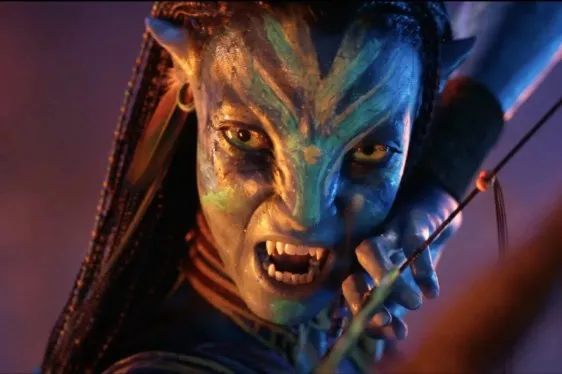
Cameron's remarks emerged during discussions surrounding his upcoming projects, specifically Avatar: Fire and Ash, where he would undoubtedly be employing cutting-edge digital tools. His discomfort, however, stems from the very nature of generative AI – its ability to autonomously create content, from scripts and images to music and entire digital environments, often indistinguishable from human-made work. "That's horrifying to me," he stated, articulating a deep-seated concern that goes beyond mere technological skepticism.
His perspective likely centers on several key areas:
The Erosion of Authenticity and Originality
Cameron's films, despite their heavy reliance on CGI, are meticulously crafted narratives driven by human imagination and emotional depth. He sees technology as a tool to enhance human creativity, not replace it. Generative AI, in its current form, often operates by learning from vast datasets of existing human creations, then generating new content based on those patterns. This raises questions about true originality. Is AI truly creating, or merely remixing and extrapolating from what already exists? For a director who prides himself on original world-building and narrative innovation, the idea of algorithms generating stories or visuals without genuine human intent or lived experience could be deeply unsettling.
The Human Element in Art
At the heart of Cameron's apprehension is likely the irreplaceable value of the human touch. Art, in its purest form, is an expression of human experience, emotion, and perspective. It reflects struggle, triumph, identity, and the nuances of the human condition. When an algorithm generates a piece of art, does it carry the same weight, the same soul, as something born from human passion and pain? Cameron's films often explore themes of humanity, connection, and the natural world, emphasizing the unique qualities that define us. The prospect of an AI-generated Avatar world, no matter how visually stunning, might feel hollow if devoid of genuine human creative intent.
Ethical and Intellectual Property Concerns
While Cameron's direct quotes focus on the "horrifying" aspect, his concerns implicitly touch upon the ethical quagmire surrounding generative AI. The training data for these models often consists of copyrighted material, leading to widespread debate and lawsuits from artists, writers, and musicians who argue their work is being used without consent or compensation. The specter of AI-generated content flooding the market, potentially diluting the value of human-made art and undermining the livelihoods of creative professionals, is a very real threat. For a director who has championed the craft of filmmaking and the thousands of artists and technicians involved, this economic and ethical displacement would be a significant concern.
Generative AI in the Creative Landscape: A Double-Edged Sword
Cameron's alarm is not an isolated voice in the wilderness. The creative industries are currently grappling with the profound implications of generative AI, which presents both unprecedented opportunities and existential threats.
The Allure of Efficiency and New Tools
For many, generative AI offers tantalizing prospects:
- Rapid Prototyping: AI can quickly generate concept art, storyboards, or script outlines, accelerating pre-production phases.
- Automated Tasks: Mundane tasks like rotoscoping, background generation, or even basic editing can be automated, freeing up human artists for more complex work.
- Accessibility: It can democratize creation, allowing individuals with limited technical skills to produce sophisticated visual or auditory content.
- Personalization: AI can adapt content to individual viewer preferences, opening new avenues for interactive storytelling.
Studios and tech companies are investing heavily in these capabilities. From AI-powered tools that assist VFX artists to systems that can generate entire musical scores, the industry is exploring how to leverage AI to streamline production and unlock new creative possibilities.
The Shadow of Disruption and Ethical Dilemmas
However, the same capabilities that promise efficiency also cast a long shadow:
- Job Displacement: The most immediate concern for many creative professionals is the potential for AI to automate jobs traditionally held by artists, writers, and animators. If an AI can generate a storyboard in minutes, what happens to the storyboard artist?
- Intellectual Property Infringement: As mentioned, the legal battles over AI training data are intensifying. The question of who owns AI-generated content, especially if it closely resembles existing works, is far from settled.
- The "Uncanny Valley" of Art: While AI can produce technically impressive output, it often lacks the subtle nuances, emotional depth, or unique perspective that defines great art. The fear is a proliferation of technically perfect but emotionally sterile content.
- Misinformation and Deepfakes: The ability of generative AI to create hyper-realistic images, videos, and audio raises serious concerns about its misuse for propaganda, defamation, or identity theft, further blurring the lines between reality and fabrication.
Hollywood, in particular, has been a battleground for these issues. The recent WGA and SAG-AFTRA strikes highlighted AI as a central point of contention, with writers and actors demanding protections against their likenesses and work being used to train AI without consent or fair compensation.
Hollywood's AI Reckoning: Beyond Cameron's Commentary
James Cameron's pronouncement is not an isolated incident but rather a prominent voice in a chorus of growing concern within Hollywood. The industry, ever hungry for innovation and efficiency, is simultaneously captivated and terrified by generative AI.
Major studios are already exploring AI applications in various capacities:
- Pre-visualization and Asset Generation: AI can rapidly generate multiple versions of set designs, character concepts, or environmental elements, allowing directors and production designers to iterate faster.
- VFX Assistance: Tools like AI-powered rotoscoping, de-aging, or background plate generation are becoming standard, reducing the manual labor involved in complex visual effects.
- Script Analysis: AI can analyze scripts for pacing, character arcs, and commercial viability, offering insights to writers and producers.
- Marketing and Distribution: AI is used to optimize trailer cuts, identify target audiences, and personalize marketing campaigns.
However, the line between assistance and autonomous creation remains a contentious one. While AI-driven tools can augment human creativity, the notion of AI as a primary creative force is where many, including Cameron, draw the line. The economic pressures to adopt AI are immense, driven by the desire to reduce costs and accelerate production cycles. Yet, the human cost, both in terms of employment and the perceived devaluation of artistic contribution, is a heavy counterweight.
The discourse within Hollywood extends beyond individual directors to guilds and unions, which are actively negotiating safeguards. These include demands for:
- Consent and Compensation: Ensuring that actors' voices, likenesses, and performances, and writers' scripts, are not used to train AI models without explicit consent and fair payment.
- Transparency: Requiring clear disclosure when AI is used in production.
- Human Oversight: Mandating that AI-generated content remains under human creative control and is not solely responsible for final output.
Cameron's statement serves as a powerful reminder that even those who embrace technological progress recognize that some innovations come with profound ethical and philosophical implications that must be addressed before widespread adoption.
The Philosophical Divide: Human Creativity vs. Algorithmic Generation
Cameron's "horrifying" assessment taps into a deeper philosophical debate: what truly constitutes art, and can machines ever genuinely create?
For centuries, art has been understood as a uniquely human endeavor, born from:
- Intent and Experience: The artist's intention, their lived experiences, emotions, and unique perspective, are woven into the fabric of their creation.
- Struggle and Growth: The creative process often involves struggle, revision, failure, and breakthrough – a journey that shapes both the artist and the art.
- Meaning and Communication: Art serves as a powerful medium for humans to communicate complex ideas, emotions, and aspects of the human condition that transcend language.
Generative AI, by contrast, operates on algorithms, data, and statistical probabilities. While it can produce aesthetically pleasing or functionally effective outputs, the underlying process lacks consciousness, intent, or personal experience. This raises critical questions:
- Can an algorithm truly be "creative"? Or is it merely an incredibly sophisticated mimic and remixer of existing human creativity?
- If AI generates content, who is the "artist"? The programmer? The data providers? The AI itself?
- What happens to the perceived value of art if it can be generated infinitely and instantaneously by machines? Does it diminish the unique contribution of human artists?
Cameron's concerns resonate with a growing chorus of voices arguing that while AI can be a powerful tool, mistaking its output for genuine human creativity risks devaluing the very essence of what makes us human. His position suggests that there's a fundamental difference between using technology to express human creativity (as he does with CGI) and allowing technology to generate it.
Navigating the Future: Practical Takeaways and Forward-Thinking Perspectives
The debate sparked by James Cameron's strong views underscores the critical juncture at which the creative industries find themselves. Navigating this future requires a multi-faceted approach that balances innovation with ethical responsibility.
1. Defining Ethical Boundaries and Regulation
The rapid advancement of generative AI necessitates clear ethical guidelines and, potentially, regulatory frameworks. These should address:
- Data Sourcing Transparency: Mandating that AI models disclose their training data sources and ensure proper licensing and compensation for copyrighted material.
- Creator Rights: Establishing robust legal protections for artists, writers, and performers against unauthorized use of their work or likeness by AI.
- Transparency in AI Usage: Requiring clear labeling of AI-generated content, especially in media, to prevent deception and maintain trust.
2. Fostering Human-AI Collaboration
Instead of viewing AI as a replacement, the focus should shift towards a "centaur" model, where human creativity is augmented by AI tools. This involves:
- AI as an Assistant: Leveraging AI for tedious or repetitive tasks, allowing human artists to focus on higher-level creative decisions and conceptualization.
- New Creative Roles: The emergence of roles like "AI prompt engineer" or "AI content curator" that blend technical understanding with creative vision.
- Skill Adaptation: Encouraging creative professionals to learn how to effectively use AI tools as part of their workflow, rather than resisting them entirely.
3. Emphasizing Unique Human Value
The rise of AI-generated content should prompt a renewed appreciation for the unique qualities of human-made art:
- Authenticity and Storytelling: Highlighting the genuine human experiences, emotions, and narratives that AI cannot replicate.
- Craftsmanship and Intent: Valuing the deliberate effort, skill, and personal vision that goes into human artistic creation.
- Ethical Consumption: Supporting artists and creators who prioritize ethical practices and human-centric approaches to their work.
4. Continuous Dialogue and Adaptation
The technology is evolving at an unprecedented pace, meaning that solutions and perspectives must remain flexible. Ongoing dialogue between technologists, artists, policymakers, and the public is crucial to shape a future where AI serves humanity's creative spirit rather than diminishing it. James Cameron's "horrifying" assessment is not an attempt to halt progress, but a powerful call to pause, reflect, and ensure that the trajectory of generative AI aligns with our deepest human values and preserves the sanctity of human creativity.
Conclusion
James Cameron, a titan whose career is built on visionary technological application, has delivered a sobering verdict on generative AI: it's "horrifying." His powerful statement reverberates through Hollywood and the broader tech landscape, challenging us to confront the ethical, philosophical, and practical implications of autonomous content creation. While generative AI offers undeniable efficiencies and opens new creative avenues, Cameron's concerns highlight the potential erosion of authenticity, originality, and the irreplaceable human element in art.
The debate is far from over, and the future will likely involve a complex dance between technological advancement and the preservation of human ingenuity. What remains clear is that stakeholders across the creative and technological spectrum must engage in thoughtful discourse, establish robust ethical frameworks, and champion models of human-AI collaboration that augment, rather than diminish, the enduring power of human creativity. The choices made today will profoundly shape the landscape of art and innovation for generations to come.