Claude Duet: Anthropic's Proactive Agent Explained
Claude Duet is a standalone agent app from Anthropic that checks your connected apps on its own, sends a morning brief, and keeps working on tasks in a cloud computer while you are away. Anthropic announced it on October 21, 2026 as a research preview, with a waitlist that starts with Claude Pro and Max subscribers in the US. It matters because it moves Claude from a chat window you open to an agent that messages you first, and it arrives three weeks after OpenAI's Dots and Meta's Muse for Small Business went after the same users.
Duet runs on Claude Opus 5.5, according to the announcement, and is available as an iOS and Android app and on claude.ai. There is no separate price. It draws on the same usage limits as the rest of Claude, and its background checks count against them.
Key takeaways
- Claude Duet watches your connected apps, sends a daily brief, and takes on tasks from scheduling meetings to building dashboards, forecasts and small web apps.
- Access is by waitlist for US Pro and Max subscribers. Team and Enterprise plans are not included yet.
- It costs nothing extra but shares your plan's usage limits, and bigger tasks use more of them.
- Duet asks before it sends a message, makes a payment, signs a document or deletes anything. It will not trade securities or move money between accounts, even with approval.
- It competes with OpenAI's dots and Meta's Muse, and Anthropic aims it at professionals and small business owners, with personal errands a weak spot.
What is Claude Duet?
Claude Duet is a research preview of what Anthropic calls a proactive agent: an assistant that starts the conversation when something needs you. The product page sums it up as "Get back to what needs you."
In practice that means four behaviors, all described in Anthropic's announcement:
- A morning brief: a short summary of what needs attention across your connected apps, such as open deals, permits, hiring or customer issues.
- Periodic checks: Duet looks at your connected apps every few hours and messages you only when something needs attention. You set what you want to hear about and how often.
- Tasks of any size: small admin jobs like setting up meetings, and larger ones like dashboards, financial or sales forecasts, prototypes and web apps.
- Background work: Duet runs on its own virtual machine with its own browser, so your laptop or phone does not have to stay on. You get a notification when a task is done or needs review.
Everything happens in one ongoing thread, by text or voice. Duet also brings over the memory, skills and connected apps you already set up in your Claude account, so it starts with the context the main Claude app has.

Who can use Claude Duet, and what does it cost?
Duet is available by waitlist, starting with Claude Pro and Max subscribers in the United States. Anthropic's product page says Team and Enterprise plans are not included yet. You join from the Claude Duet page.
There is no separate subscription. Duet is included in Pro and Max and uses the same usage limits as the rest of Claude. The announcement is specific about what eats into that allowance: background checks count, and larger jobs such as building a financial model or a deck take more model turns and more background work. TechCrunch and Engadget report the same terms. Engadget adds that Pro costs $20 per month.
The practical consequence: if you already push Claude Code or long chats against your limits, a Duet that checks your inbox every few hours is competing for the same budget. Anthropic lets you control how often it checks and what it reports, and those settings are the main lever on cost.
What can Claude Duet connect to?
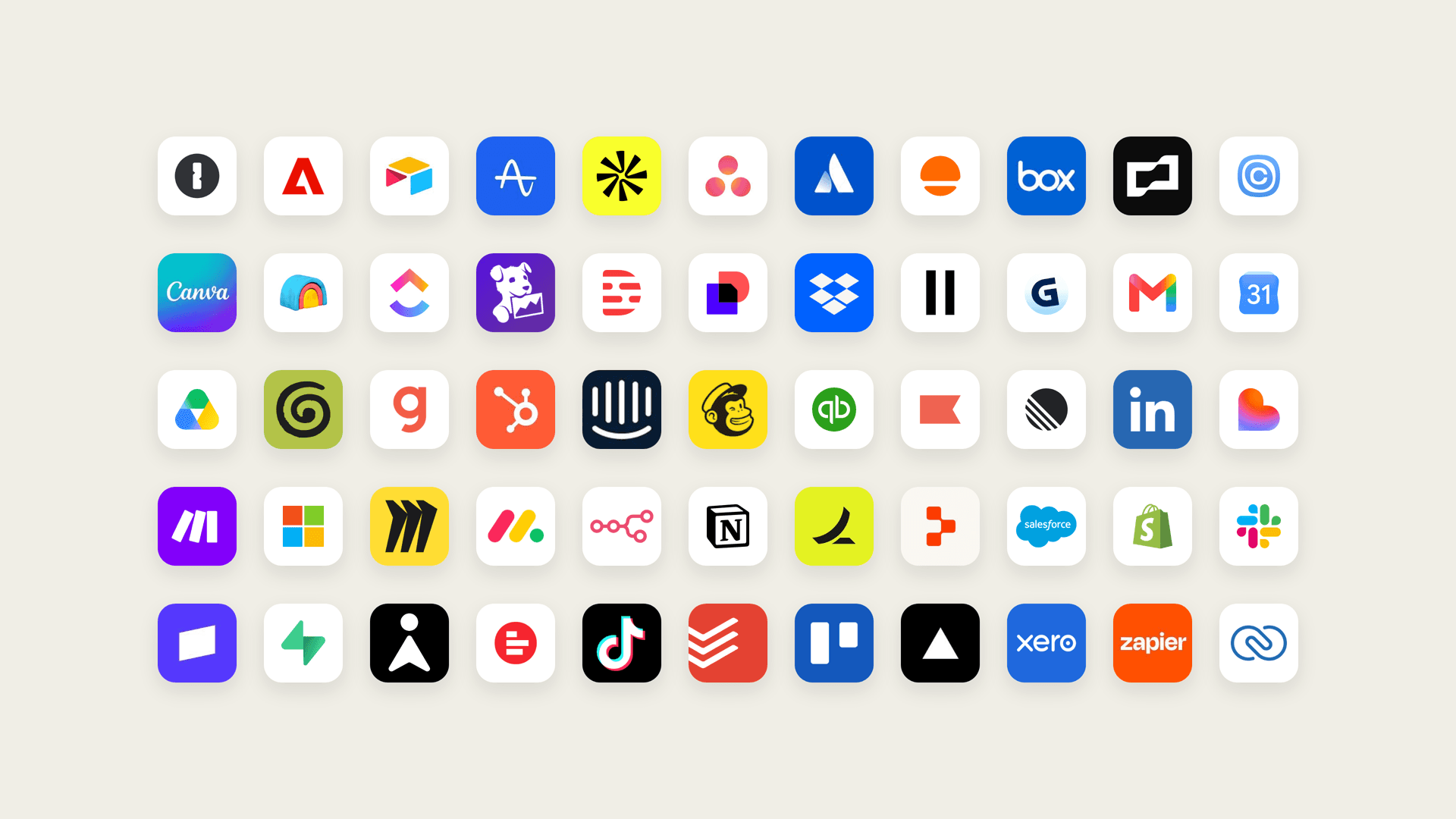
Duet can use more than 6,000 connectors and plugins from the Claude Marketplace, according to the announcement. The named examples include Gmail, Slack, QuickBooks, Stripe, Gusto, LinkedIn, DocuSign, HubSpot, Canva and Shopify. The product page also shows Google Calendar, Google Drive, Notion, Microsoft 365, Ramp and 1Password.
Purchases go through Link, Stripe's digital wallet, with a virtual card, so the merchant never sees your real card number. Duet can also check out with Shop Pay. Anthropic lists two features as coming soon: a visual editor for Shopify storefronts, and signing in to sites with your 1Password logins once you give permission.
How Claude Duet handles approvals and safety
Duet reads, drafts and prepares work on its own. Before it "sends a message, makes a payment, signs a document, or deletes anything," the announcement says, it shows you the action and waits for your approval. Some things are off-limits even with approval: Duet will not trade securities or move money between accounts.
Anthropic describes several layers behind that rule:
| Layer | What Anthropic says it does |
|---|---|
| Credential handling | Follows the Claude Managed Agents design; Duet "never directly sees your passwords or sign-in tokens" |
| Action checks | Actions are screened by the same auto mode classifier used in Claude Code |
| Prompt injection | Defenses drawn from Anthropic's browser-use research |
| Sensitive data | A dedicated classifier and safety prompt check each message; credit card numbers and government ID are rejected, and health or personal finance details are shared only when you explicitly ask |
| Testing | Internal red team plus penetration testing by an outside firm; covered by Anthropic's public bug bounty |
| Your controls | You can disconnect any app at any time |
Anthropic has documented that classifier before. In its write-up on how Claude Code auto mode was built, Anthropic explains that a separate classifier reviews each action before it runs and blocks actions that go beyond what the user asked for. Anthropic's Claude Code documentation says auto mode cuts down on permission prompts but does not guarantee safety. For Duet, the explicit approval step on sends, payments, signatures and deletions is what stops a misread from turning into an action.
Anthropic is also upfront about weak spots. Duet may misread a thread or misjudge urgency, and it can miss something that arrives between check-ins. It is weaker at personal errands like booking tickets, and it cannot yet show you its browser while it works.
Claude Duet vs OpenAI Dots vs Meta Muse
Duet is the third major proactive agent in about a month. OpenAI introduced dots at DevDay on September 29, 2026, and Meta launched Muse for Small Business the same day, three weeks after the original Muse personal agent. Here is how they line up on what each company has published:
| Claude Duet | OpenAI dots | Meta Muse for Small Business | |
|---|---|---|---|
| Announced | Oct 21, 2026 (research preview) | Sep 29, 2026 | Sep 29, 2026 |
| Model | Claude Opus 5.5 | GPT-6 Astra | Not specified in the announcement |
| Where it works | Its own cloud VM and browser | Its own cloud computer | In the background across connected accounts |
| Connectors | 6,000+ (Claude Marketplace) | 4,000+ apps via plugins | Instagram, Facebook Pages, Meta ads, plus third-party connectors such as Shopify, Slack and QuickBooks |
| Plans | Pro and Max, US, waitlist | Pro, Business Premium, Enterprise (beta) in eligible markets | Free core use, paid plans for more |
| Approval model | Asks before send, pay, sign, delete; never trades or moves money | Proactive research uses read-only tools; some sensitive tasks always stay with you | Won't post, message or buy without owner approval |
Sources: Anthropic, OpenAI, OpenAI Help Center, Meta.
The clearest difference is price of entry. Engadget notes that Duet is planned for the $20 Pro tier, while dots require a ChatGPT Pro plan that starts at $100 per month. Meta keeps most of Muse free and charges for more. Availability differs too: OpenAI's Help Center says Pro access to dots excludes the EEA, Switzerland and the UK, and Duet is US-only for now.
The second difference is focus. TechCrunch points out that Anthropic is positioning Duet away from personal errands and toward work: deals, books, hiring, customer issues. Meta leans on its own ad and social stack, which makes Muse the more natural fit for a shop that already runs on Instagram. If you want to compare the models underneath, our look at Meta's Muse Spark Open weights covers the open model in the same family name, which is a different product from the Muse agent.
Who Claude Duet is for
Anthropic built Duet for professionals and small business owners, and the early users it quotes include a kebab restaurant owner and a brand strategist. The pattern fits work that is spread across many apps and where the cost of missing something is high: a supplier email buried in a shared inbox, an unpaid invoice in QuickBooks, a contract waiting in DocuSign.
It is a weaker fit if your work lives in one tool you already watch all day, if you are outside the US, or if you are on a Team or Enterprise plan. It is also a research preview, so expect the urgency judgment to be uneven at first. Anthropic says it will keep tuning it based on what early users report.
How to get started
- Confirm you have a Claude Pro or Max subscription on a US account.
- Join the waitlist on the Claude Duet page.
- Once you are in, install the iOS or Android app, or open Duet on claude.ai.
- Connect only the apps you want watched, and set how often Duet checks and what it should report.
- Start with a narrow task, such as a weekly sales summary, and check the usage it consumes before handing over larger jobs.
FAQ
What is Claude Duet?
Claude Duet is Anthropic's proactive agent app, announced October 21, 2026 as a research preview. It sends a morning brief, checks your connected apps every few hours, works on tasks in its own cloud computer, and asks for approval before sensitive actions such as sending messages or making payments.
Is Claude Duet free?
Duet has no separate price. It is included in Claude Pro and Max, and it uses the same usage limits as the rest of Claude. Background checks and larger tasks count against those limits, according to Anthropic.
Can I use Claude Duet outside the US or on a Team plan?
Not yet. The waitlist starts with Pro and Max subscribers in the United States, and Anthropic says Team and Enterprise plans are not included at launch.
Which model powers Claude Duet?
Anthropic says Duet is designed around Claude Opus 5.5.
Can Claude Duet spend my money?
It can buy things through Stripe's Link wallet with a virtual card or through Shop Pay, but only after you approve each payment. It will not trade securities or move money between accounts, even if you approve it.
Sources
- Anthropic: Introducing Claude Duet
- Anthropic: Claude Duet product page and waitlist
- Anthropic Engineering: How we built Claude Code auto mode
- Claude Code Docs: Permission modes
- TechCrunch: Claude Duet app is Anthropic's bet on agents
- Engadget: Claude Duet is Anthropic's answer to Meta Muse and OpenAI Dots
- MacRumors: Anthropic Launches Claude Duet, a Proactive AI Agent
- OpenAI: Introducing dots
- OpenAI Help Center: Getting started with your dot
- Meta: Muse for Small Business
- Meta: Introducing Muse